
-
 Tel:86-15176910262
-

Search
Latest Quick Change system, FFX and DFT Tech.

PRODUCT
ERW TUBE MILL, SLITTING LINE, CUT TO LENGTH LINE SUPPLIER
-
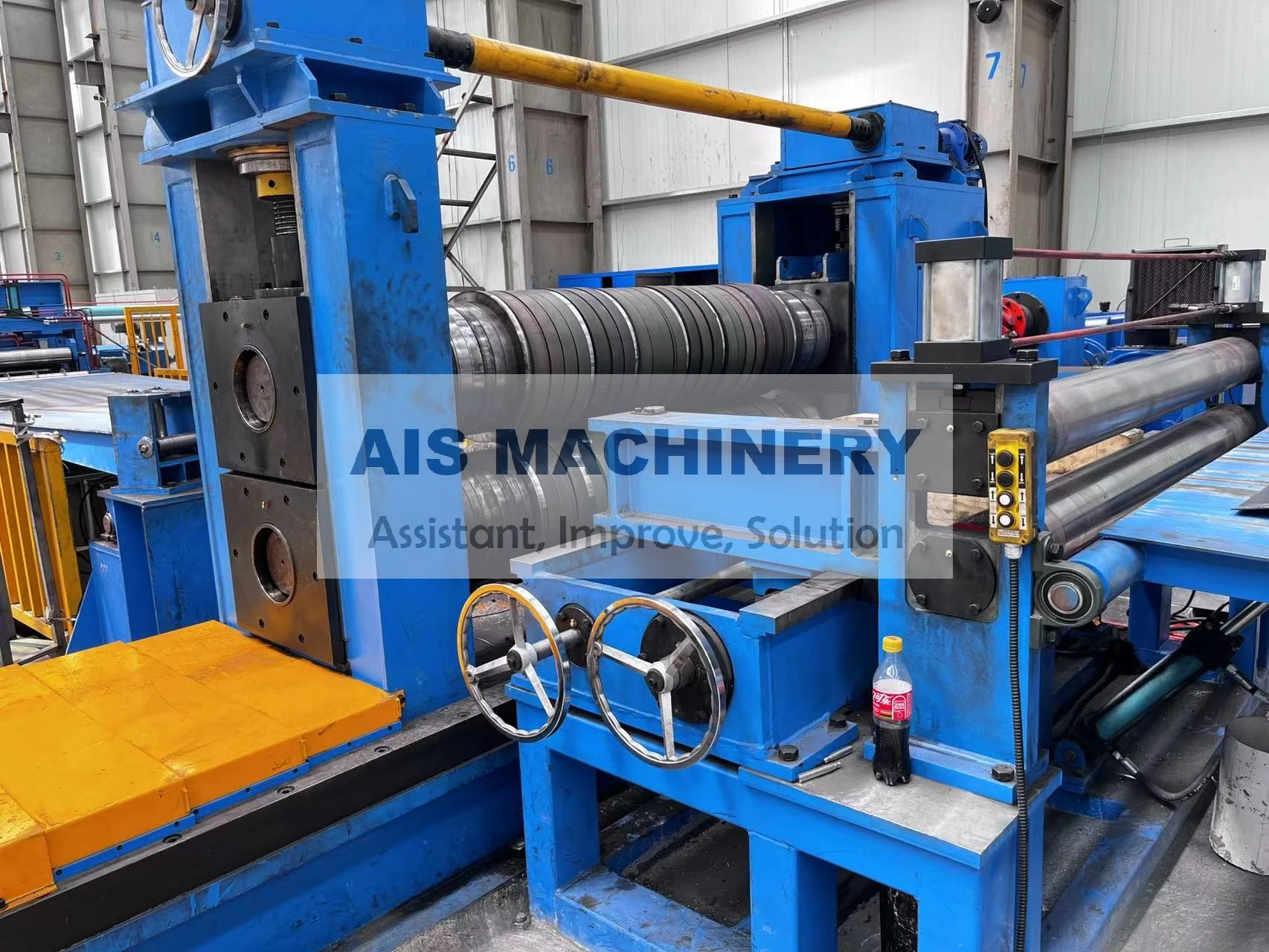 cr slitting line
cr slitting line
Efficient Steel Slitting Lines_ Revolutionizing Metal Processing
READ MORE
-
 pipe mill for sale
pipe mill for sale
Tube Mill for Sale: Premium Welded & ERW Tube Mills
READ MORE
-
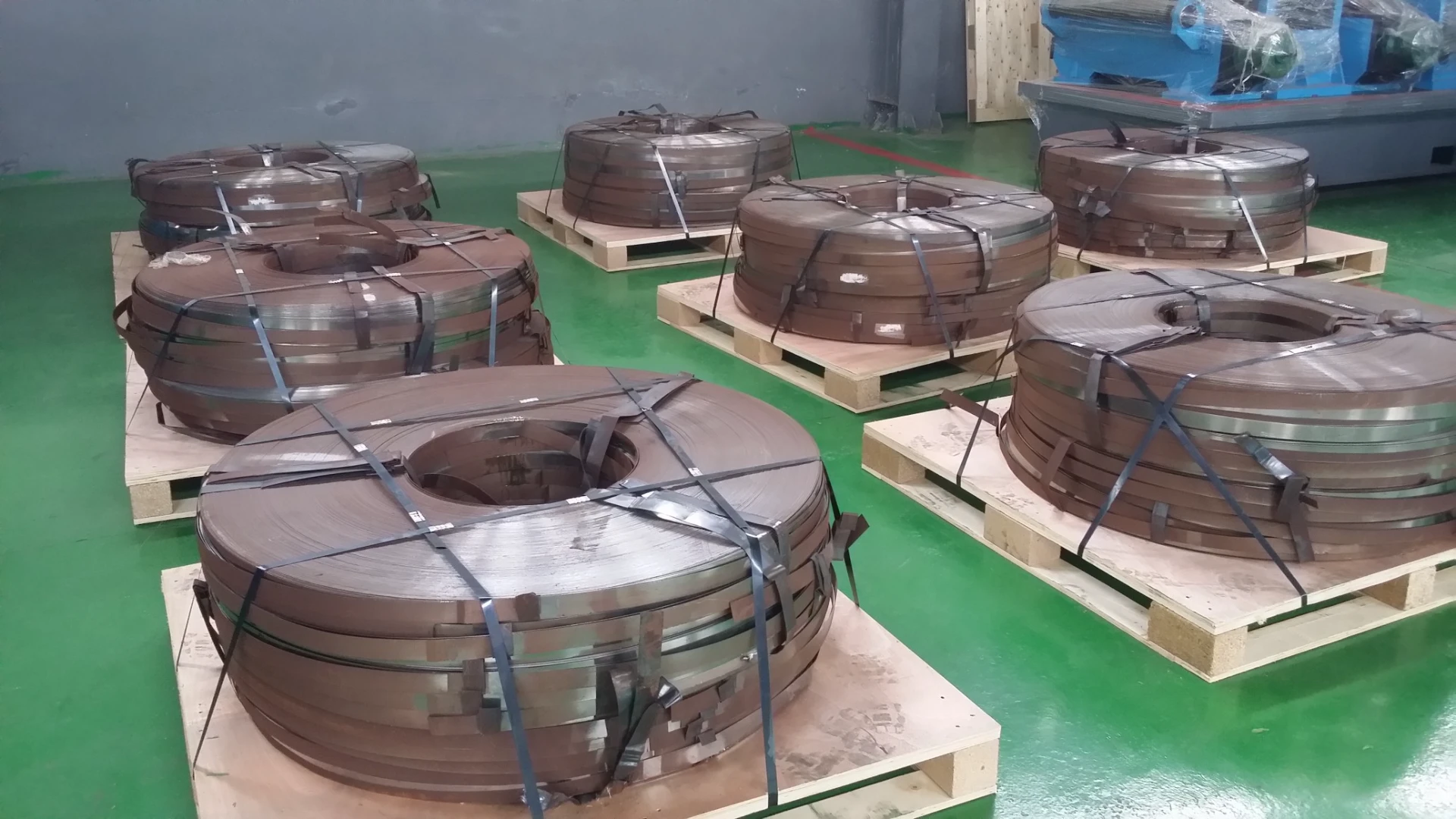 pipe mill process
pipe mill process
Pipe Mill Production Speed
READ MORE
-
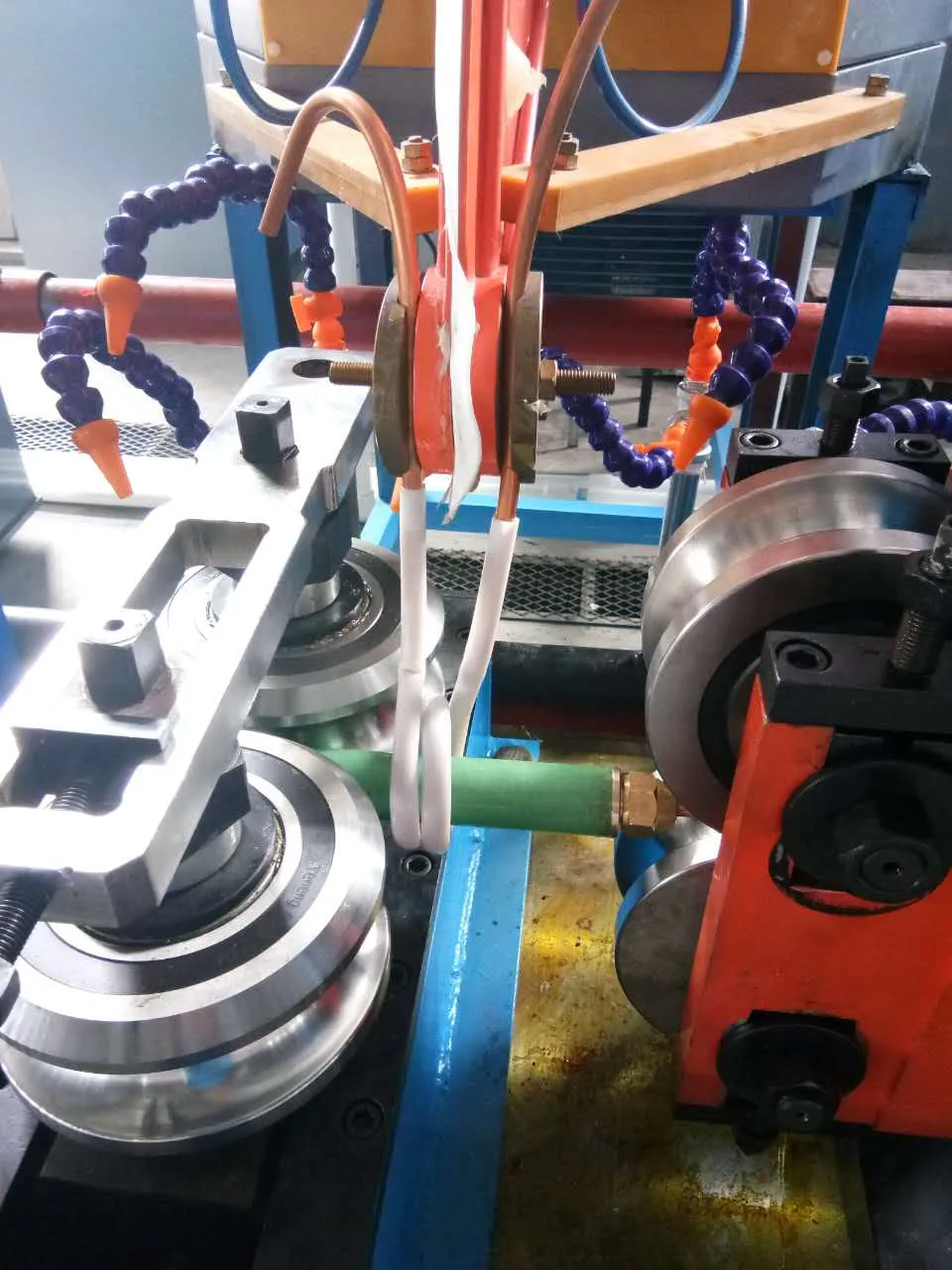
 magnetic rod
magnetic rod
Impeder Rod for HF Welding: Boost Efficiency & Quality?
READ MORE
-
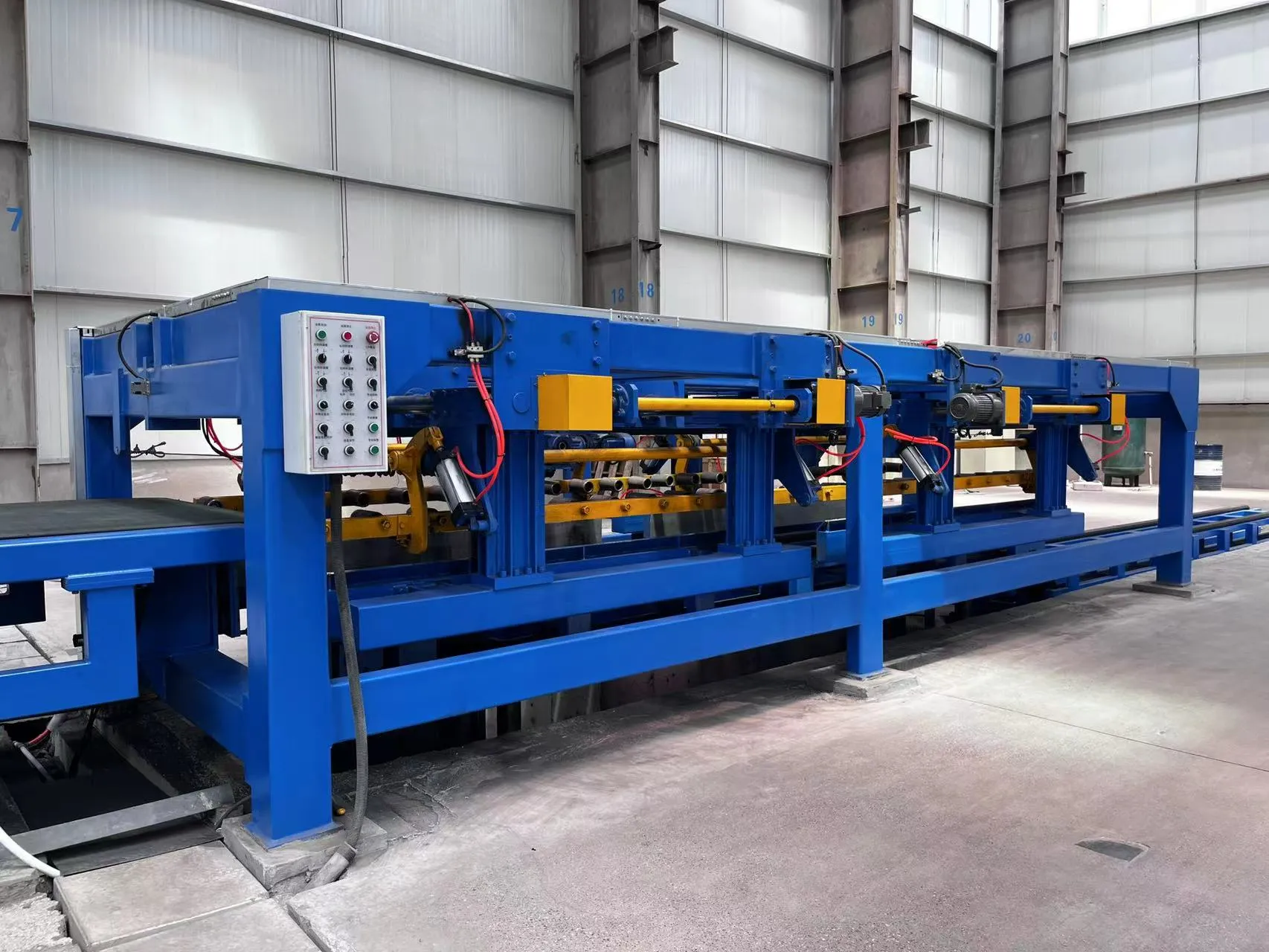 cold forming machine
cold forming machine
Cold Roll Forming Machine: Key Insights, Factory Options & Price Breakdown
READ MORE
-
 tube mill rolls manufacturer
tube mill rolls manufacturer
Roll Forming Tube Mill _ Precision Steel Pipe & Square Tube Mills
READ MORE
-
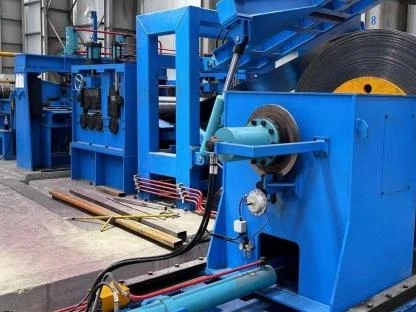 tube mill factory
tube mill factory
Tube Mill for Sale - ERW Welded Pipe Making Machine
READ MORE
-
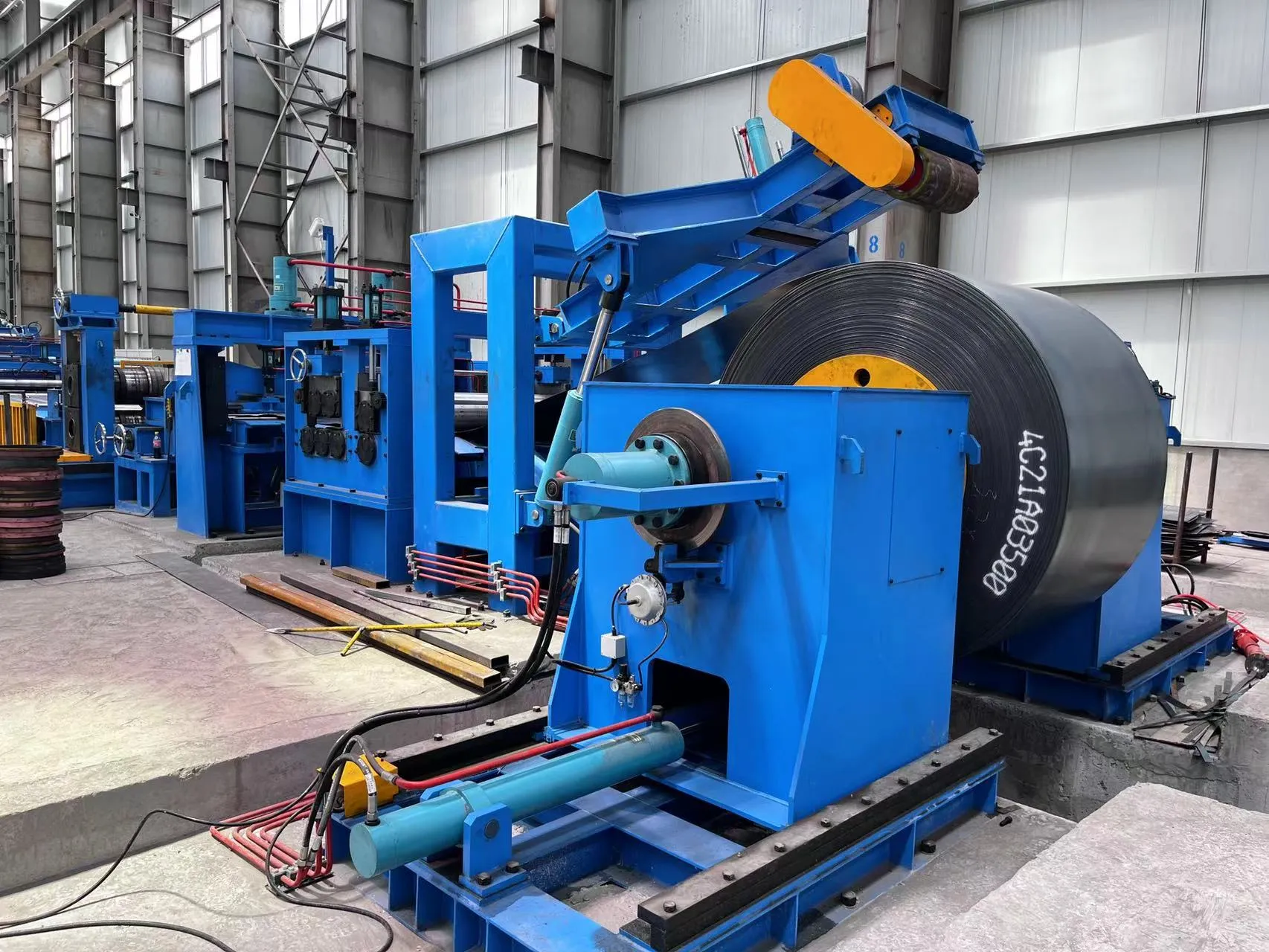 z purlin forming machine
z purlin forming machine
C Purlin Forming Machine | High-Speed, Precise, Adjustable
READ MORE

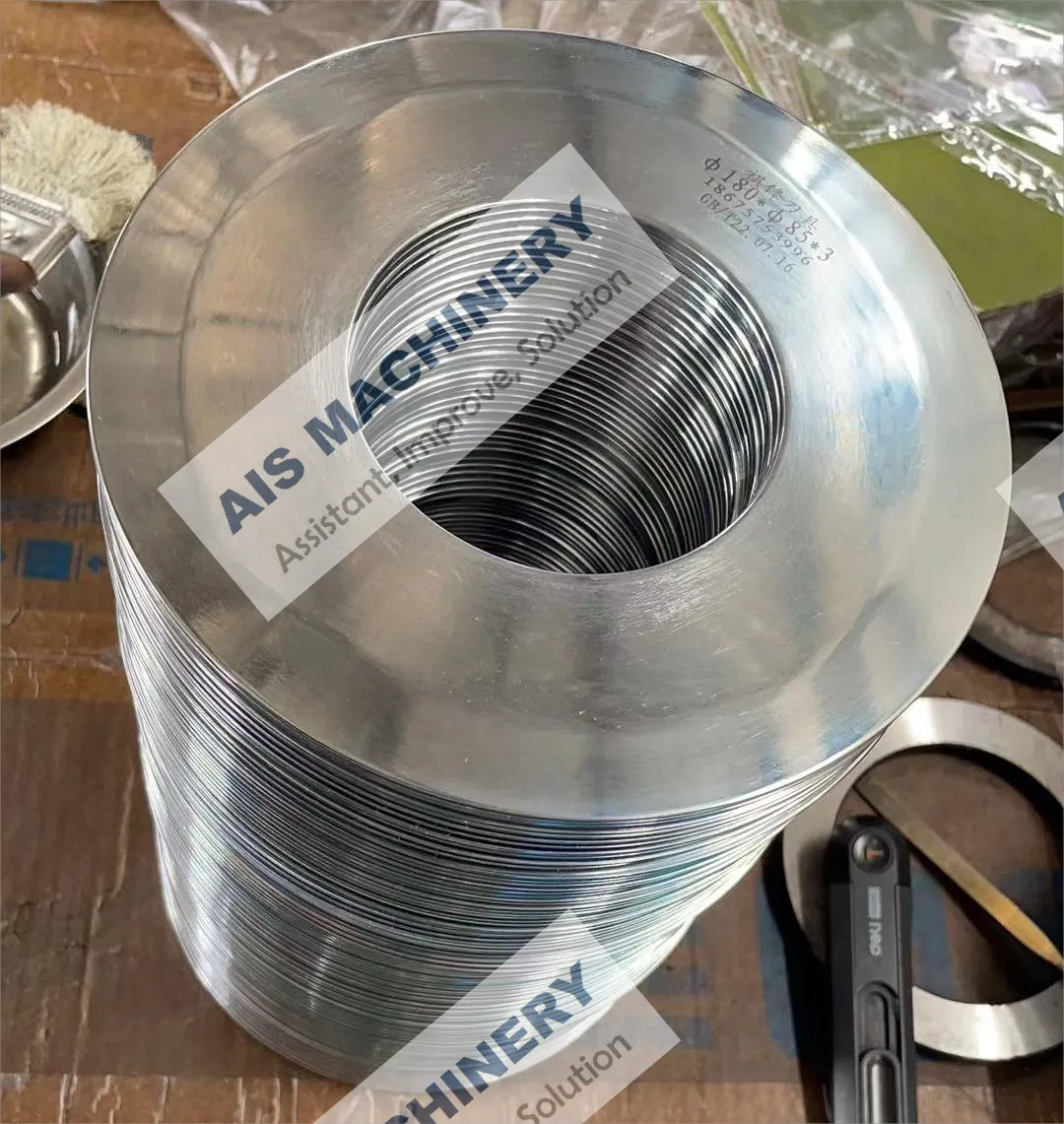
separator discs
HEBEI AIS MACHINERY EQUIPMENT CO., LTD Professional manufacturer of high-performance Slitting separators since 2005 ? Address: RM604 Shenxing Building, Xinhua Street, Shijiazhuang City, Hebei Province, China CN (ZIPCODE: 050000) ? Phone: 86-15931396727 | ✆ Mobile: 86-15176910262 ? Email: LINDA@AISMACHINERY.COM ? Website: www.aistubemill.com What Are Slitting Separators? Slitting separators (also known as separator discs or separator wheels) are precision components installed on both sides of the top and bottom knife shafts in steel coil slitting lines. These critical elements perform multiple functions essential for quality metal processing: supporting slit strips during cutting, guiding material through the slitting process, and most importantly, separating individual strips to prevent contact, tangling, or surface scratching during recoiling operations. Core Functionality of Modern Slitting Separators : Advanced slitting separators serve as the backbone of precision coil processing systems by: Maintaining precise strip positioning during high-speed operations Preventing edge damage through controlled material separation Ensuring consistent strip spacing regardless of processing speed Reducing surface imperfections caused by metal-to-metal contact Improving overall line efficiency and reducing downtime View Technical Specifications Technical Parameters of Slitting Separators The engineering specifications of slitting separators determine their application suitability and performance characteristics. Below are industry-standard parameters: Parameter Standard Range Special Applications Material Compatibility Diameter (mm) 120 - 500 500 - 800 All metals Thickness (mm) 5 - 20 20 - 40 Stainless steel Bore Size (mm) 25.4 - 152.4 152.4 - 304.8 Aluminum/Copper Hardness (Shore D) 80 - 90 90 - 95 High-tensile steel Max Speed (RPM) 800 - 1200 1200 - 2000 Precision alloys Temperature Range (°C) -20 to +100 -40 to +150 Specialized coatings Market Trends & Technological Evolution Recent industry reports indicate significant advances in slitting separators technology: Global market projected to reach $380M by 2028 (CAGR 5.2%) Composite material adoption increased by 32% since 2020 Precision tolerances improved by 0.05mm industry-wide Smart separators with embedded sensors emerging Ultra-high molecular weight polyethylene gaining popularity Advanced Application Scenarios Modern slitting separators enable critical capabilities in diverse manufacturing sectors: Automotive Industry Precision separators ensure flawless processing of high-strength steel (HSS) and advanced high-strength steel (AHSS) used in vehicle safety components, with tolerances within 0.1mm. Electronics Manufacturing Non-conductive composite separators prevent micro-scratches on copper and aluminum foils used in PCB production, reducing rejection rates by up to 15%. Renewable Energy Specialized wide-separation discs handle solar panel components and wind turbine materials requiring edge quality above industry standards. Technical Performance Analysis Expert FAQ: Slitting Separators Technical Insights What material innovations offer the best durability for high-speed applications? Polyurethane composites reinforced with aramid fibers (Shore D 90+) currently provide optimal durability at production speeds exceeding 1200 RPM. These materials maintain dimensional stability within 0.05mm even under continuous operation at 150°C. How does separator geometry influence strip quality? Precision-engineered radial grooves and specialized bevel angles (typically 30°-45°) significantly reduce edge burr formation. The latest ASM standards (Section VII-2023) recommend curvature radii between 0.5-1.0mm for optimal material separation. What are the installation tolerances for precision separators? According to IMS-2024 specifications, concentricity must be maintained within 0.03mm TIR while perpendicular alignment requires less than 0.02mm deviation over 100mm diameter. Proper mounting prevents harmonic vibrations at critical speeds. How often should separators be replaced in continuous operation? Standard polyamide separators require replacement every 600-800 operating hours. Premium composite materials extend service life to 2000+ hours. Monitoring groove depth (replace at 0.5mm wear depth) prevents quality issues. What standards govern separator dimensions? Current dimensions follow ASTM F2182-19 specifications with ISO 9001:2015 manufacturing requirements. European operations typically adhere to EN 10143:2006 for cold-rolled strip tolerances. How to prevent material adhesion on separator surfaces? Non-stick coatings containing PTFE or molybdenum disulfide significantly reduce material buildup. Surface roughness below Ra 0.8μm and electrostatic dissipation treatments prevent adhesion in processing oils. What advancements address high-carbon steel processing? Ceramic-reinforced separators with hardness ratings over 92 Shore D now withstand abrasion from steel above 60 HRC. These advanced separators use gradient material technology with surface hardness 15% higher than core material. "The transition to composite separator technology represents the most significant efficiency improvement in coil processing since the 1990s. Facilities implementing engineered polymer solutions report 18-22% reduction in edge defects and 30% longer tool life." — Steel Processing International, Vol. 22, Issue 3 (2024) View Research "Our testing confirms that precision-machined separators with optimized groove geometry reduce slitting variance by 0.15mm compared to standard designs, directly impacting material yield in high-value applications." — Advanced Materials Manufacturing Journal Full Technical Report
ABOUT AIS


CASE RECORD

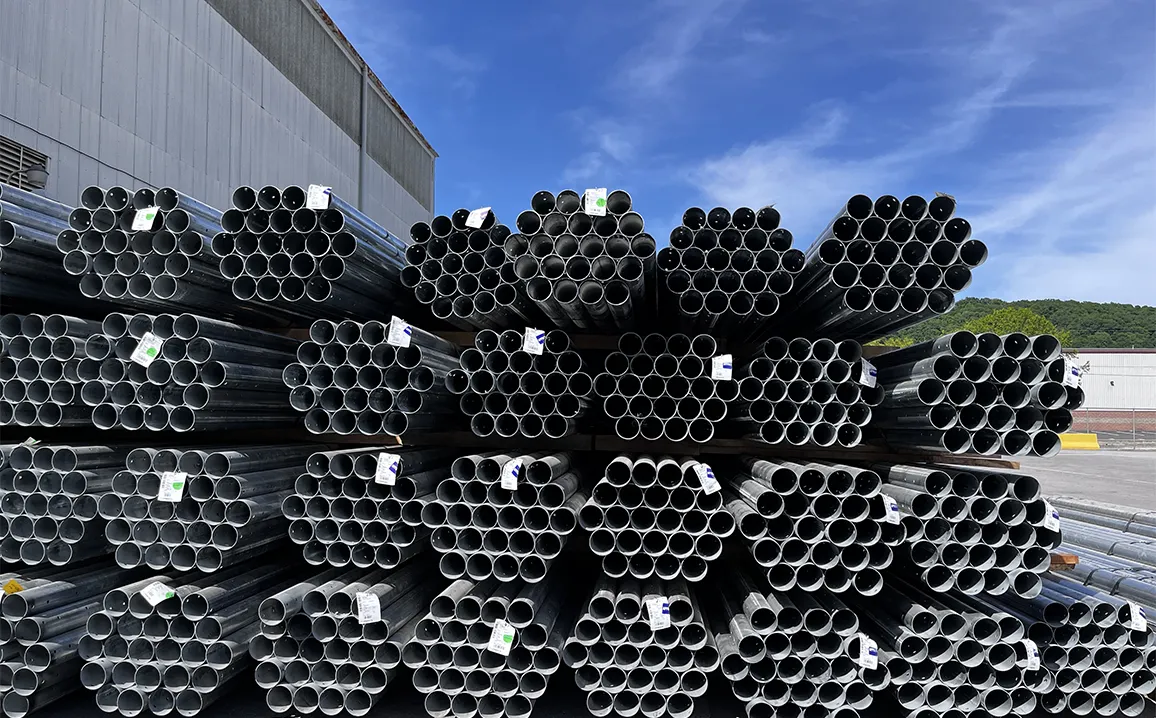
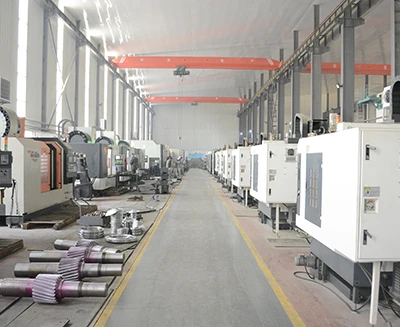
Production advantage
Why Choose Us?
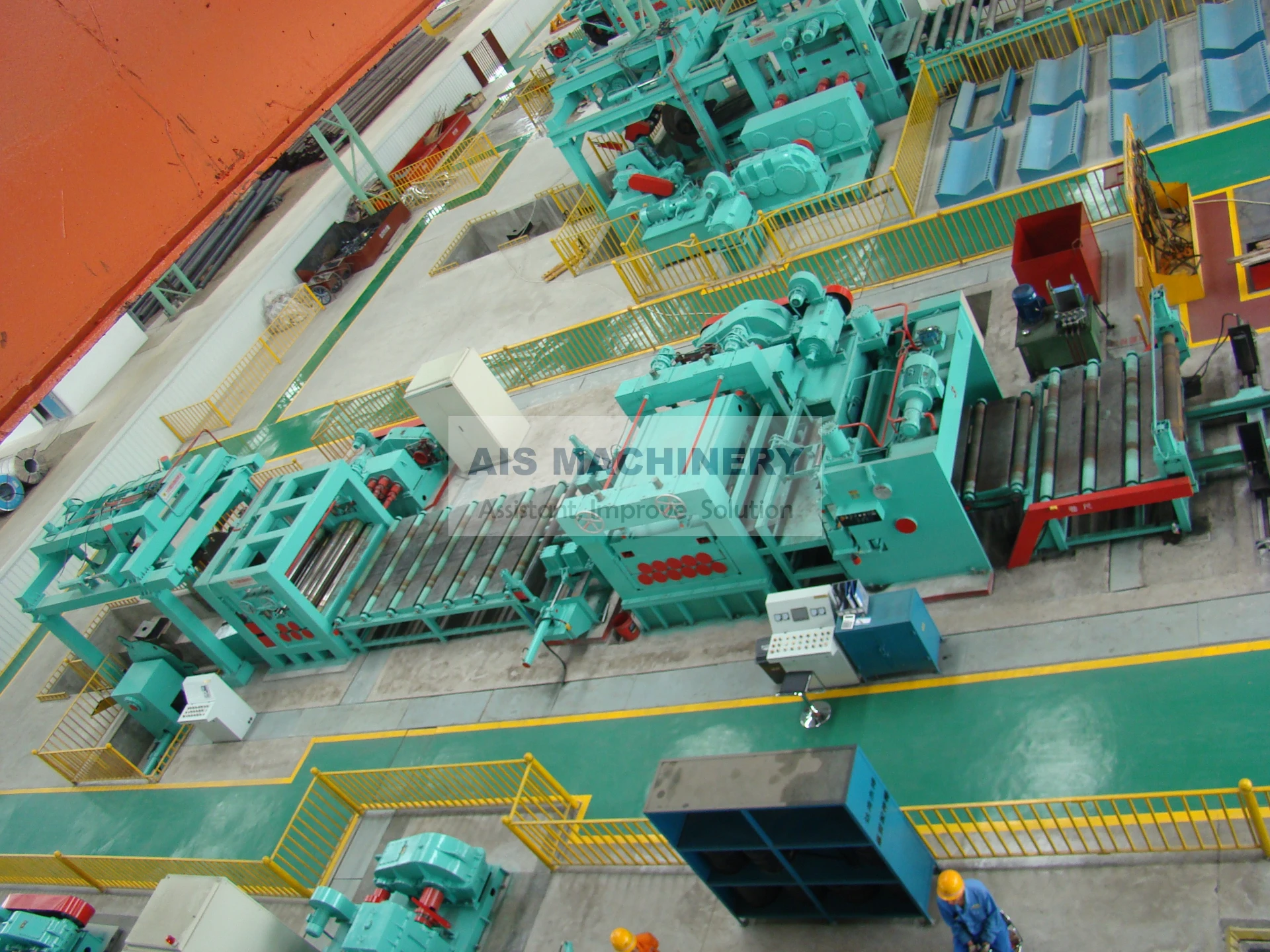
● Leading Technology, Reliable Quality, Excellent Service! ● Optimized Design, High quality material select! ● Heat treatment process guarantee. ● Spiral bevel gear, drum gear coupling and carburization. ● Gear teeth quenching.
What can we bring to customers?
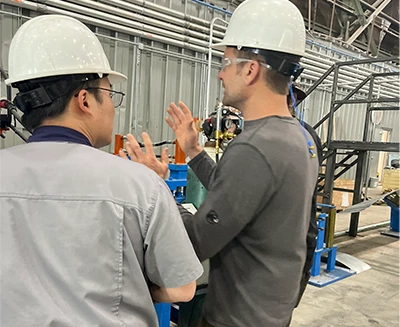
Reliable Quality:Our product has stable performance, low failure rate, long service life and high yeild rate.Excellent Service:24 hours online, reply very quick, 8 hours arrange engineer online guide, 48 hours can arrange engineer visit worksite.
Where do our customers come from?
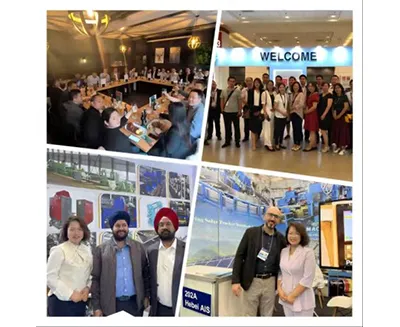
AIS Machinery sales network is covering USA, Euro, Southeast Asia and the Middle East. Under the principles of "Assistant, Improve, Solution", our company becomes one of most competitive companies in the industry step by step.
-

Solar piles
As solar projects become more popular in these coming years, steel pipe piles are widely use at the construction of renewable energy projects such as wind and solar .READ MORE

-
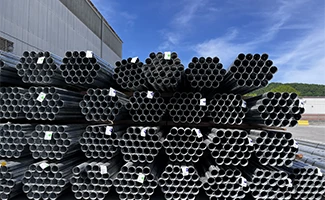
Natural gas and Liquid transmission
ERW steel pipes are commonly used in the transmission of natural gas from production sites to distribution centers and end-users.READ MORE
-
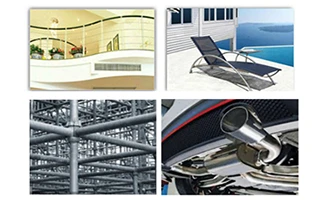
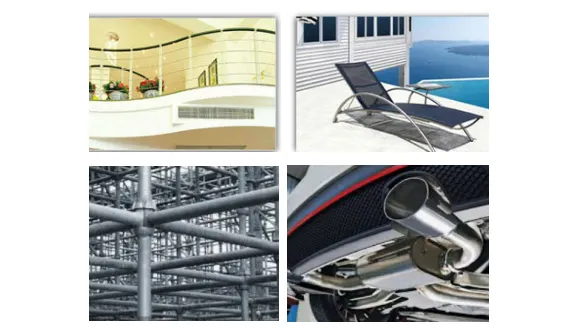
Automotive, Construction,Furniture
Electric Resistance Welded (ERW) tubes are pivotal across many industries, thanks to their precision, strength, and adaptability.READ MORE




Send a Message
Dear customer, thank you for your attention! We provide high-quality machinery and equipment and look forward to your orders. Please inform us of your needs and we will respond quickly!
 English